
.jpg)
 11 months ago
115
11 months ago
115
PROTECT YOUR DNA WITH QUANTUM TECHNOLOGY
Orgo-Life the new way to the future Advertising by AdpathwayThe Message of Body Positivity
 The Message of Body Positivity (image credits: unsplash)
“Love the skin you’re in” is now a familiar phrase on Instagram, reflecting the widespread influence of body positivity.
Debates Around the Movement
 Debates Around the Movement (image credits: flickr)
Critics argue it promotes unhealthy lifestyles, while supporters say it’s about self-acceptance and rejecting harmful beauty standards.
Forgotten Origins
 Forgotten Origins (image credits: unsplash)
Though popular on social media today, the movement’s roots are less well known and often debated.
The Role of NAAFA
 The Role of NAAFA (image credits: unsplash)
Tigress Osborn, incoming chair of the National Association to Advance Fat Acceptance (NAAFA), highlights the organization’s central role in shaping modern body positivity.
A Culture of Body Criticism
 A Culture of Body Criticism (image credits: unsplash)
From diet ads to social pressures, people are constantly reminded that their bodies are “not good enough.” Body positivity emerged as a challenge to this toxic cycle.
Beyond Self-Esteem
 Beyond Self-Esteem (image credits: unsplash)
The movement also questions capitalism, patriarchy, fatphobia, racism, sexism, and ableism – linking body image to wider systems of oppression.
The Fat Rights Movement of the 1960s
 The Fat Rights Movement of the 1960s (image credits: unsplash)
In 1969, Bill Fabrey founded NAAFA in New York to fight fat discrimination. At the same time, California feminists formed the Fat Underground, releasing the radical Fat Manifesto in 1973.
Global Growth of Fat Activism
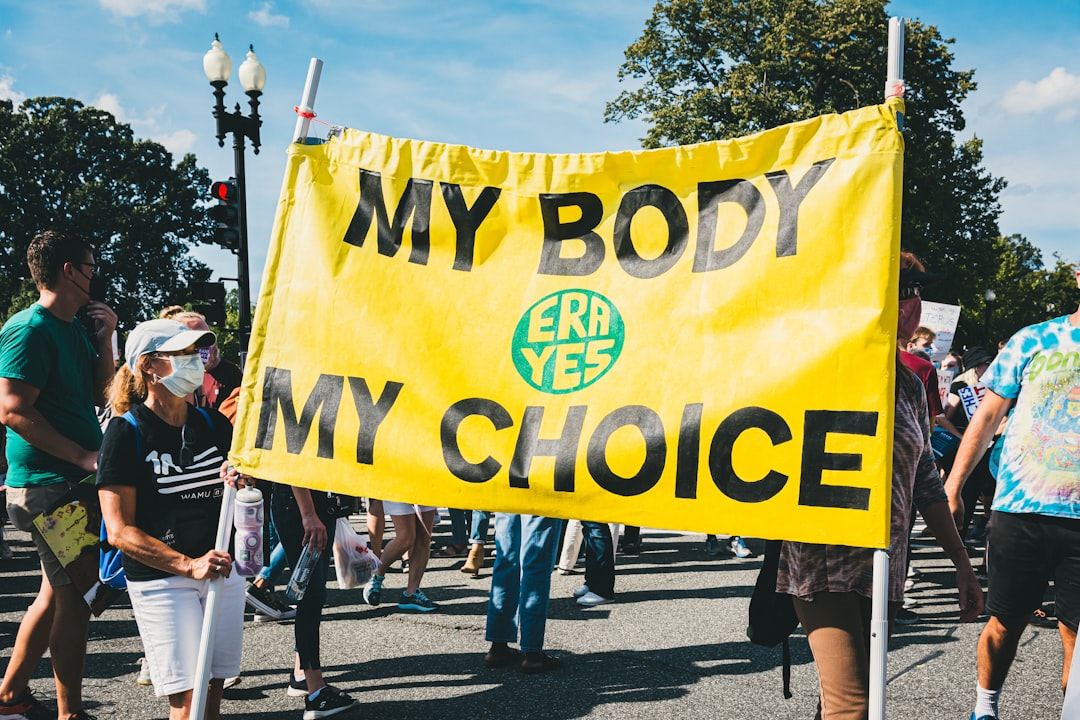 Global Growth of Fat Activism (image credits: unsplash)
By the 1980s and 1990s, fat activism spread internationally, with protests, media appearances, and advocacy challenging diet culture and promoting body acceptance.
The Internet Era of Visibility
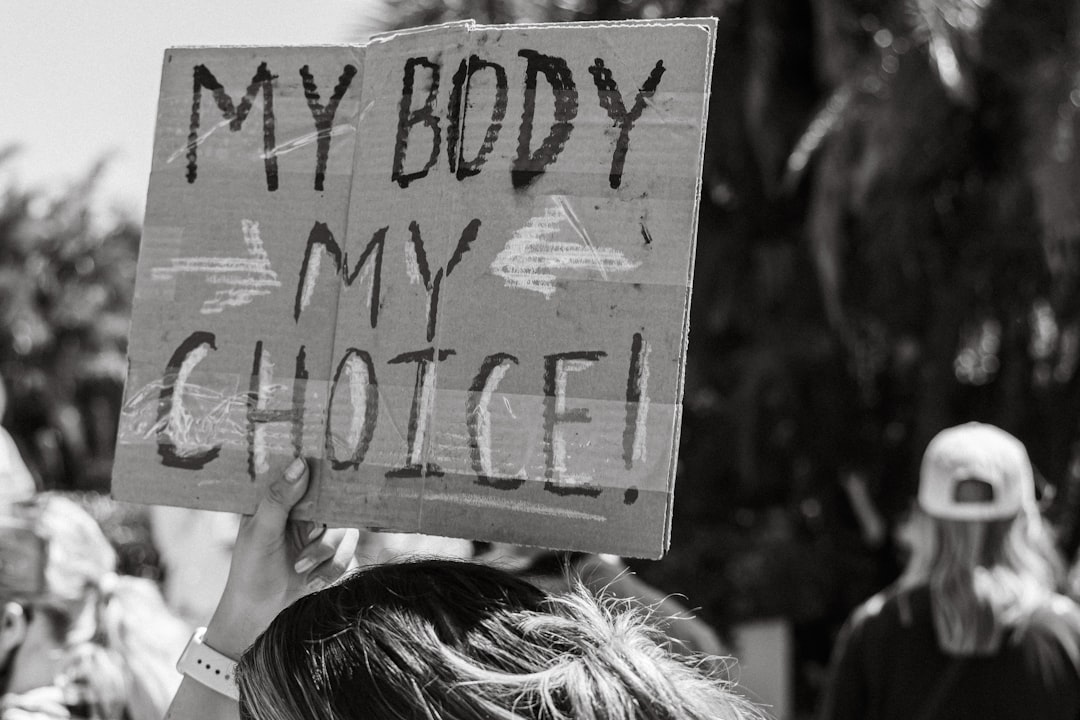 The Internet Era of Visibility (image credits: unsplash)
In the 2000s, fat activists used online forums, blogs, and later social media to connect, share, and spread body positivity to a wider audience.
Selfies as Activism
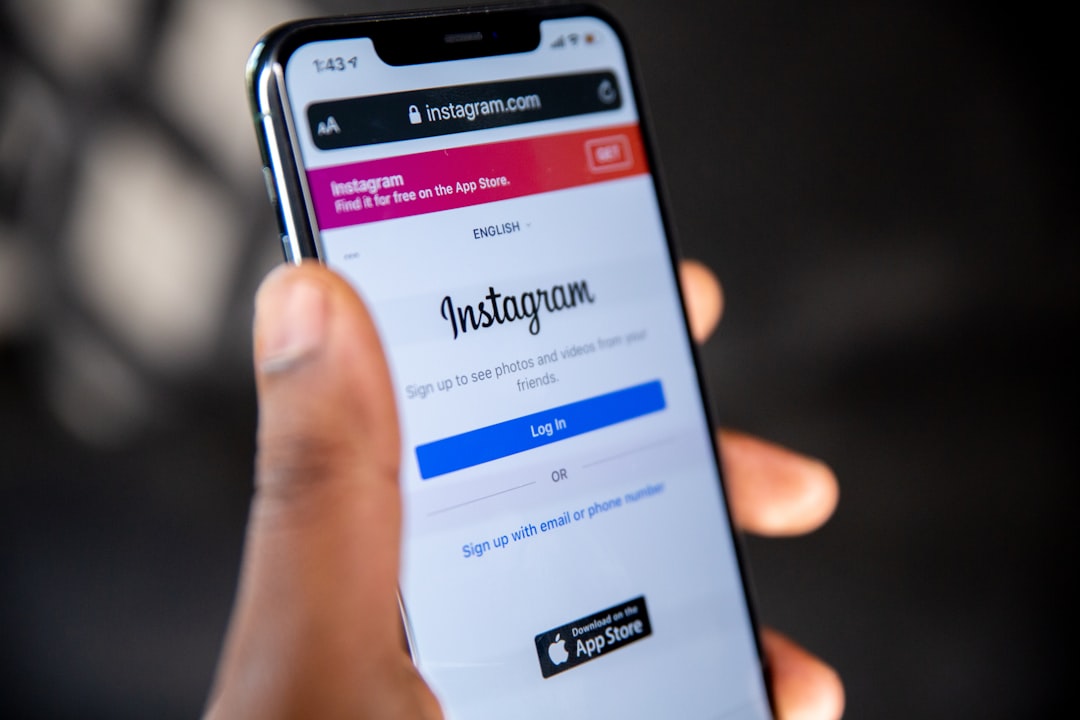 Selfies as Activism (image credits: unsplash)
With Instagram and hashtags, fat people embraced visibility through fashion posts and selfies, turning personal expression into a form of activism despite online harassment.
Mainstream Popularity and Challenges
 Mainstream Popularity and Challenges (image credits: unsplash)
Body positivity became a buzzword, but critics note that mainstream figures often exclude visibly fat and marginalized people who created the movement.
Remembering Its Roots
 Remembering Its Roots (image credits: unsplash)
The movement cannot forget its origins in fat activism and the contributions of Black women and femmes. True body positivity must remain inclusive of the most marginalized bodies.

Kerbi Lynn is the managing editor at The Curvy Fashionista. She is an entertainment and culture journalist from Atlanta, GA. In addition to covering celebrities and music, she is a certified makeup artist and a beauty lover. Kerbi has been published in MEFeater Magazine, HerAgenda, and BOSSIP.










 English (US) ·